ACAs – Emotional SAFETY & the BODY (#1)

PREVIOUS: Emotional Safety – OTHER types 

SITE : Dynamic Healing = Polyvagal theory….


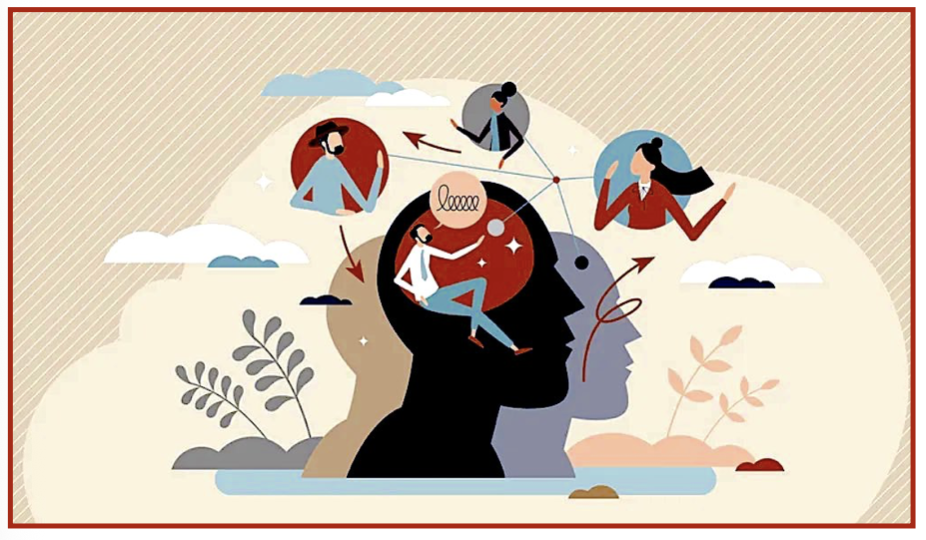
FAMILIAR : Given an unsafe childhood home & external environments, many of us struggle with emotional pain that can be overwhelming, & harmful thoughts that cause confusion & despair. In reaction, we try to push it all down — only to have them resurface in unexpected ways that we don’t understand. We feel pulled apart by conflicting needs & attitudes.

1. The Brain’s 3 Emotion Regulation Systems
⚙️ We react to childhood trauma & adult tragedies in disturbing ways – addictions, withdrawal, aggression, ambition, narcissism…..  Ironically these responses are not flaws – they’re the brain’s valiant but limited attempts to keep us safe, since they often work against us.
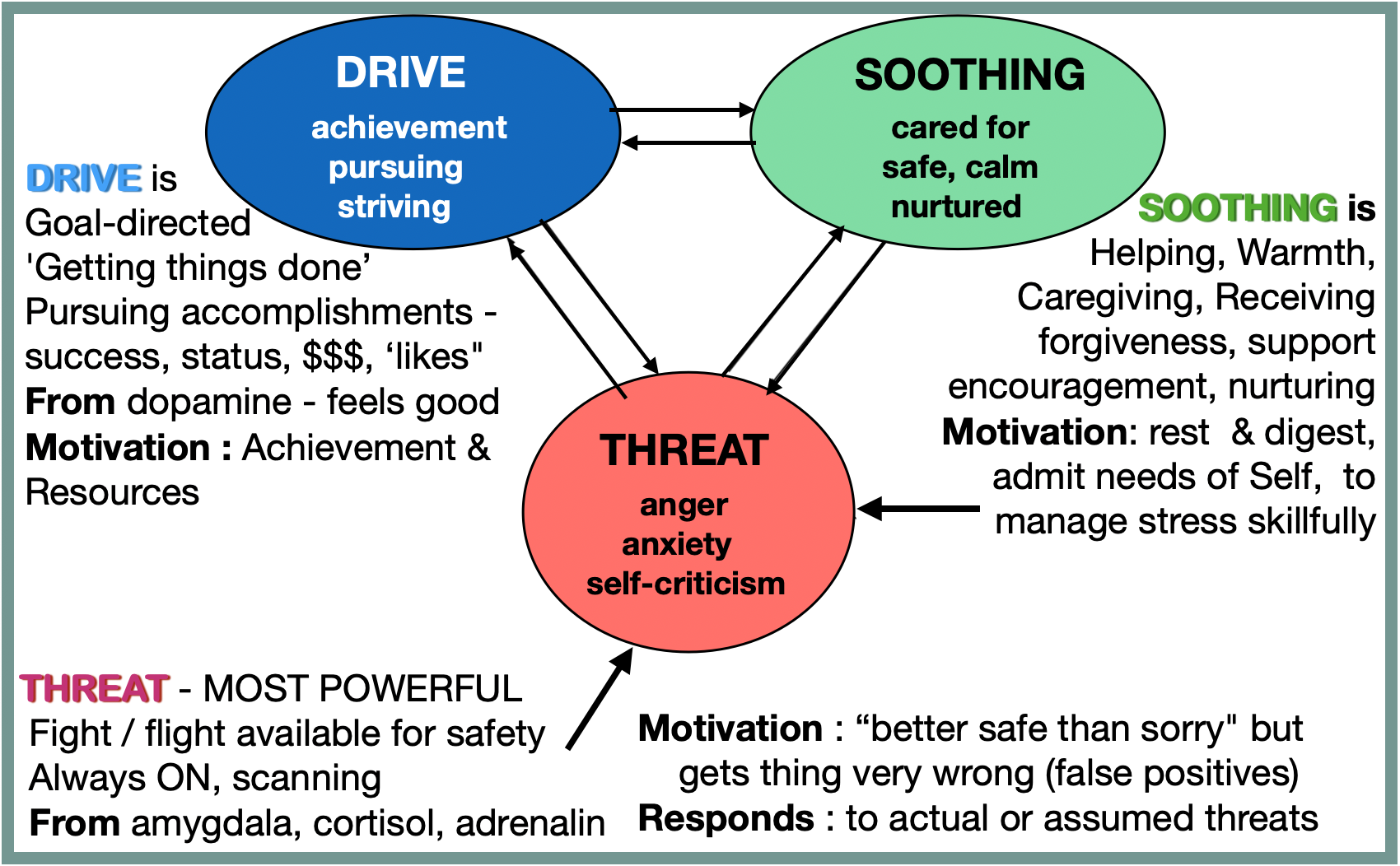
Learning about the brain’s 3 core systems — Threat, Drive, Soothing — can be used for learning to balance one’s thoughts & feelings.
It’s also important to consider our individual personality styles that influence how these systems function.

** NOTE : Site is extensive. Most is valid, but it’s recommended to ignore all explanations based on evolution, now less accepted by the scientific community.

a. Ongoing exposure to toxic stress or trauma in childhood affects brain development, often causing long-term difficulties, making it harder to cope later on
b. Early attachment relationships influences how we treat ourself, & how we relate to others – well into adulthood.
Both factors affect our Window of Tolerance the zone of arousal where we function best.  (extensive info)
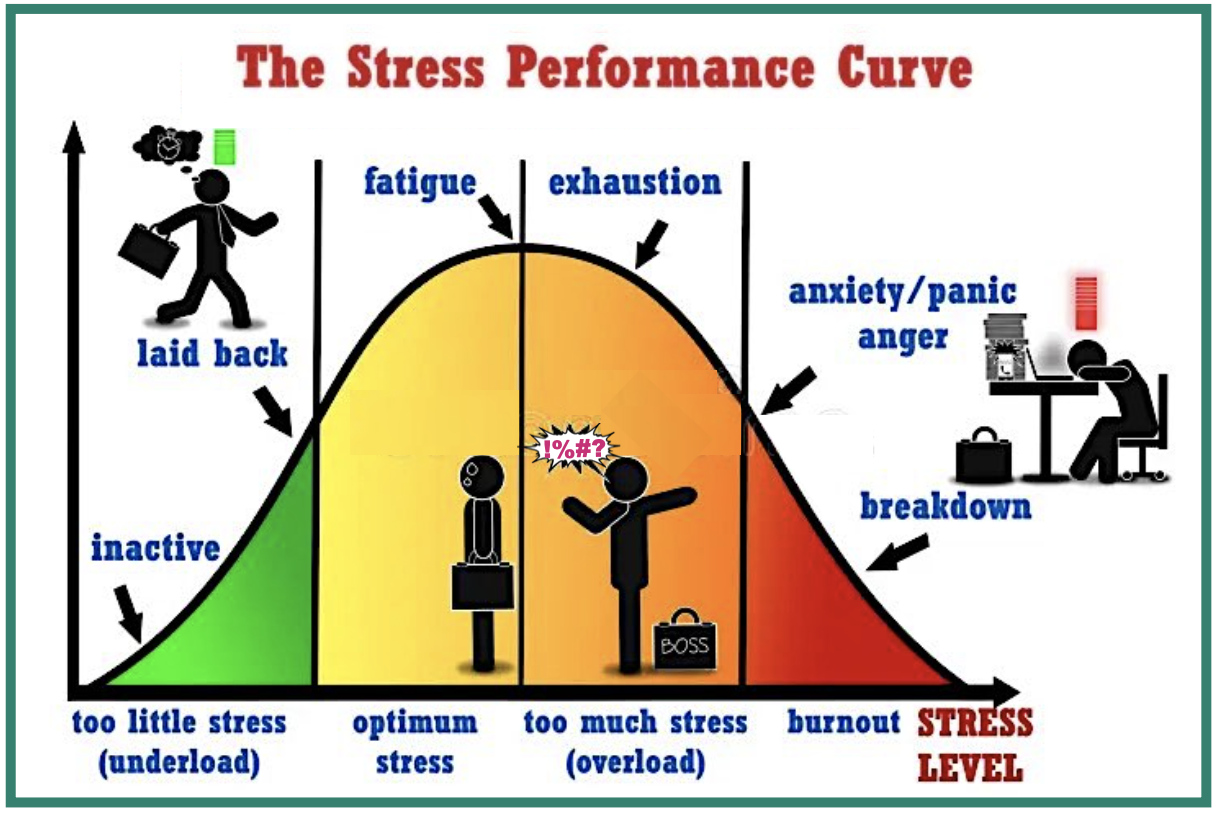
▪︎ When we’re outside that window, we feel anxious, & reactive, or emotionally shut down, even dissociated.
▪︎ Within it, we’re are in a state of balance, which allows for adaptive responses to stress – able to think clearly, stay present, & respond flexibly.

2. Porges’ Polyvagal Theory describes how our autonomic nervous system (ANS) affects safety, trust, & intimacy, through the Social-Engagement System (SES).… It picks up positive signals from others, needed to support us when under stress, with body language, voice quality, & facial expressions. If our SES likes what it sees & hears, it calms us. Since this operates unconsciously, we’re not aware that it is calming, that the SES overrides stress hormones when other people trigger us.

The brain is built to constantly detect & analyze information via our senses – telling us if we’re in a situation that’s safe, dangerous, or life threatening. The amygdala sends out urgent signals when something feels wrong, called neuroception, which sets off reactions meant to protect. Although these signals are usually unconscious, we can learn to be aware of them by observing defense mechanisms the brain mobilizes.
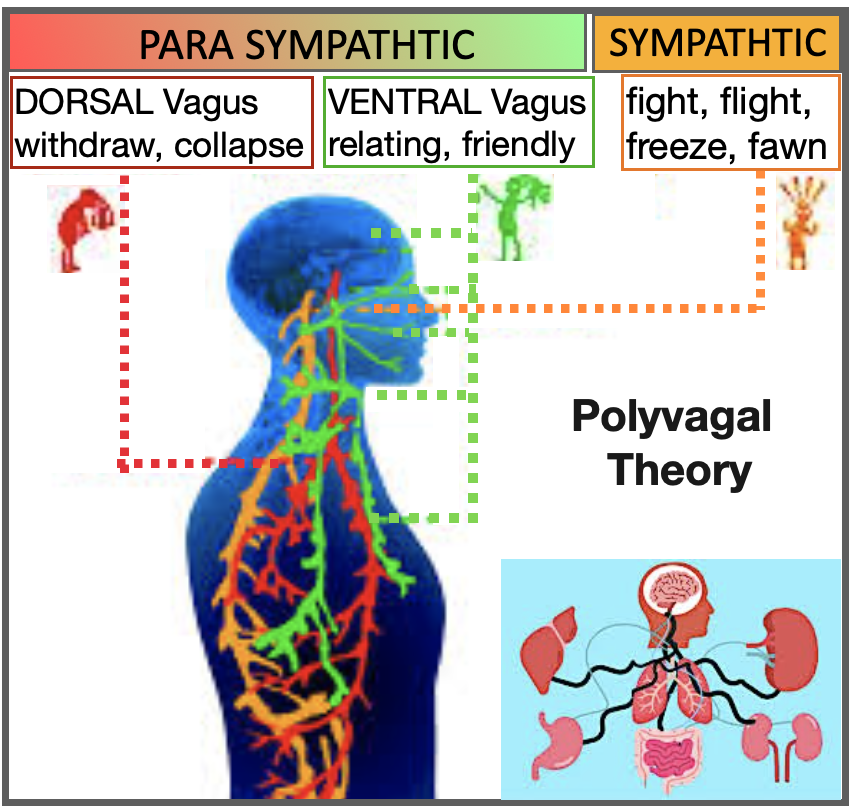
These can help in emergencies, but become overwhelming if we’re on high alert all the time. The prefrontal cortex, responsible for reflection & emotional regulation, then loses much needed influence. Thoughtful decisions are unavailable, replaced by reflex or retreat.

EXP re. a child hearing a parent’s question : In a supportive environment, he/she responds with ease. In a critical one, they will hesitate, scrambling for a safe answer before saying anything. With constant negative repetition, the brain comes to link uncertainty with danger, even when – later on – no immediate threat is present.

3. Traffic Lights
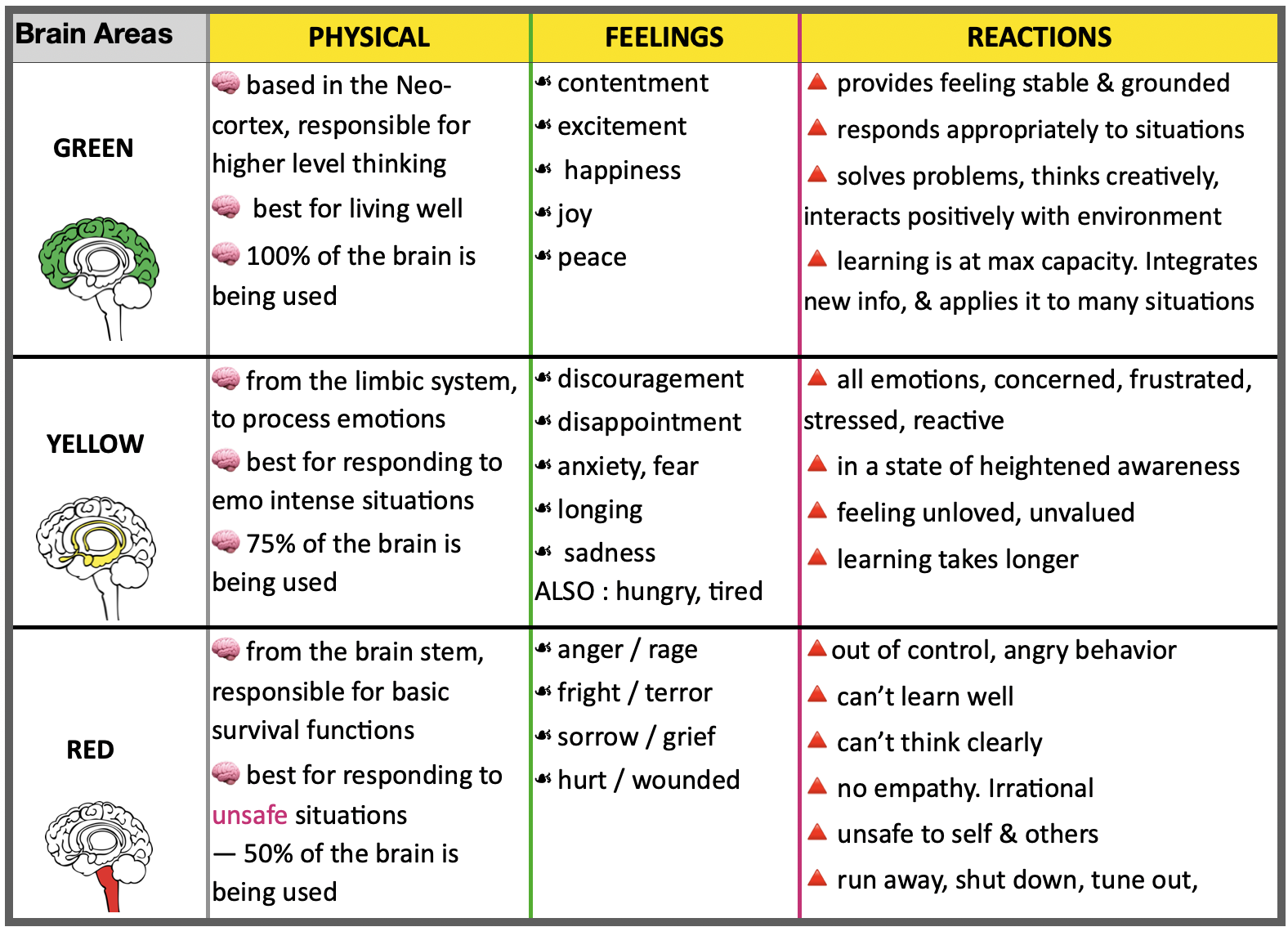
Another way to consider how the brain functions is to imagine it as a traffic light with the standard 3 colors. When our brain lights up one of them, it’s indicating something important that needs paying attention to – to use, ponder or escape.
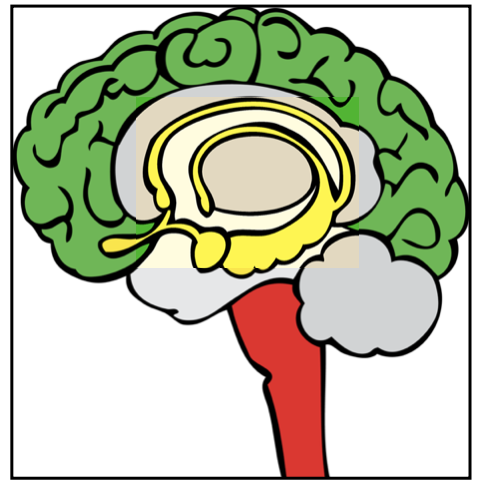
3 Brains : 🟢 GREEN = Neocortex (safe)
🟡 YELLOW = Limbic System
🔴 RED = Brain Stem
When in RED Brain mode – we feel unsafe, ‘abandoned’ in PMES ways. We will try everything we can to feel safe, to get to Yellow Brain territory. But we’re in a double bind : to get to Yellow, we have to feel safe(er) ! and the way ACAs try – is usually counter-productive !

NOTE : Trauma survivors have been numbed out to these signals or are stuck in Red all the time.  And “Literalists” like Sensate people may think that factual events are all that matter. Actually, the way we perceive things is far more relevant to our understanding of reality, but its power is not often realized.
Physical safety is not enough to learn or function well. The feeling of being safe (loved, appreciated, valued, heard….) is just as important, if not more so.
«
«
NEXT : Emotional SAFETY & the BODY (#2)

ACAs – Emotionally SAFE & Other TYPES

PREVIOUS: Emotionally SAFE – INTRO

SITE : Understanding Safety Needs in Maslow’s Hierarchy”

POST : Maslow’s Pyramid of needs – Intro + 18 more


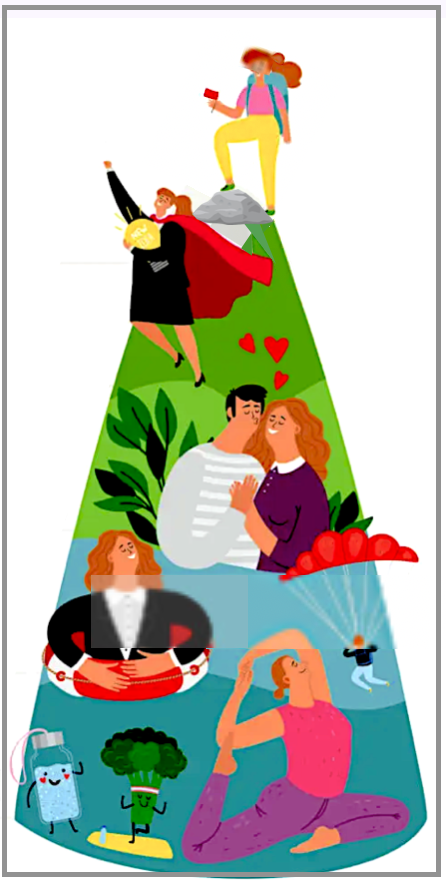
SAFETY is grounded in a combination of environments. T
o be valid, it requires predictability, order, & control. At  its best, some areas of life will provide more comfort, trust, & serenity – than others, & to varying degrees.

CATEGORIES of SAFETY Needs
🔷 Cyber Safety : Strategies to protect against online threats & to ensure data security
🔷 Environmental : Safe living conditions, access to resources such as basic needs like food, shelter, including clean air & water. Promote a stable community & environmental sustainability

🔷 Emotional
Safe Relationships – A supportive environment that fosters trust & Freedom from Fear & Anxiety – Living without constant worry or stressing about psychological, emotional & physical abuse

🔷 Financial
◆ Being
financially independent, working toward long-term goals & having a pleasant retirement
Stable Income – Steady & reliable source of income to meet daily expenses
Savings – Accumulating financial reserves for future needs and emergencies
Insurance – for health, life & property. Protection against unexpected financial losses.

🔷 Health
Protection from illness or injury
Access to Healthcare Availability of medical services and support
Healthy Lifestyle Choices Making decisions that promote physical & mental health, such as diet and exercise, prescribed meds & appropriate supplements.

🔷 Physical
Non-Violent Home – to be a ‘good-enough’ parent, & safely raise children, preventing physical harm (intentional threats, violence….)
Protection of the body from dangers in the home, work & environment, against accidents, from natural disasters, social upheaval, war & other unexpected life events. (More…. )

🔷  Personal
Autonomy –  having control over one’s choices, encouraging a sense of empowerment
Privacy : Ensuring personal information & activities are protected from intrusion
Inner Growth – makes of a variety of mental health resources

🔷 Social : Protection from discrimination, bullying, & social isolation. Being part of a supportive community creates a sense of belonging & safety. Also, Open Dialogue & transparency to build trust & prevent misunderstandings.

Internal = EMOTIONAL Safety (INTRO post)

◉ External
Psychological safety
is influenced by a combination of internal & external factors – how you respond to other people, & how they respond to you.  It’s the absence of inter-personal fear, allowing the person to perform their best at home, school & work. It means being able to take socially-based risks, such as speaking their opinions, disagreeing openly,  & airing concerns about a problem – without negative repercussions or pressure to sugarcoat bad news.

Psychological safety INCLUDES :
🔱  Career — Need for Achievement (N-Ach), professional development, & entrepreneurship
🔰 Cognitive – Need for knowledge, understanding & intellectual stimulation. Desire for research, invention & innovation
⚜️  Esteem : Desire for self-respect & other-respect/ self-respect, achievements & recognition – to feel competent & valued
professional development and education
🔅 Self-Actualization : Pursuit of personal growth, fulfilling one’s potential & goals. Includes creativity, morality & spirituality.

EXP : Healthy & Safe Work Environmentpromotes security in office locations, in terms of fire emergency equipment & instructions, safety instruments & measures in factories, security systems like CCTV, emergency exits, ergonomic furniture…. Bio-metric scans ensure the entry of employees, & restricts stranger-access.

In BIZ : 4 Stages ModelTEAM Member Safety Needs
This model provides a simple language for starting conversations, about each of category, which can help members notice the mental & emotional nuances, about how safe it feels to belong, to learn, to contribute, or to challenge.
The model also highlights discord that can develop when team members strongly differ – are out of sync. However, talking thru conflicts can be an opportunity to unite them.

♦︎ Inclusion  –  to be comfortable being present & included, feeling wanted & appreciated
♦︎ Learner – able learn by asking questions, to experiment, make (& admit) small mistakes, & ask for help
♦︎ Contributor – to add their own ideas without fear of ridicule or embarrassment. Have the assurance they won’t be punished or humiliated for expressing ideas, or for mistakes
♦︎ Challenger Safety – to question others’ ideas or suggest significant changes to ideas, plans, or ways of working – including to those in authority.

»
NEXT : SAFETY

ACAs – Emotional SAFETY – INTRO

PREVIOUS: Spiritually Based Healing #2

SITE : “What is Psychological Safety at Work?

POSTs :  SAFE – Real Friends – Part 2


🥺 BASIC : For all wounded ACAs – feeling safe is more important than being loved. After all, if you don’t feel safe inside (from Self-Hate) & not safe outside – “the world is a dog-eat dog place” — then how can you take in love, even when offered ?
Besides, if you weren’t treated lovingly by your family as a kid, you’d conclude that it wasn’t meant for you. Not worth the bother, not good enough, not the ‘better’ sibling or gender….. So you’ll try for safety, anyway you can ! but you don’t deserve that either – do you? (POST :  “VICIOUS CYCLE of NEEDS“)

Why is emotional safety important?
Humans are designed with needs – to be secure, be significant, & to belong.  The need to feel & be safe is a powerful driving force of all life, a requirement before humans – and animals – can let themself be vulnerable.

At its healthiest
– it allows us to share our strengths as well as limitations – easily communicated. It provides the freedom to collaborate, dream, be wildly creative, share bold ideas, have more compassion, & express ourself freely with each other.
It’s being calm & balanced, from having good emotional self-control, so the person doesn’t overreact in stressful situations.

 Emotional Safety is absolutely necessary for Connection. When you’re seen, heard & accepted, you can be fully yourself.  You know your words matter, & when it’s okay to be quiet.  It’s having an  absolute assurance that the basic experience of being in relationship with others is non-threatening.

❇️ DO NOT equate “safe” with “boring”.  Safe people are reasonably PMES-healthy, & can also be interesting, fun, sexy, clever & creative. They just minimize drama & chaos!
The security we say we long for works best when we are internally secure & choose to be with safe people.

Internal
In psychology, emotional safety (E.S.) is one of the characteristics of Secure attachment, built through consistent support & understanding from loved ones. This gives the ability to manage stress & effectively cope with challenges.

Safety is not the absence of difficulty, & it’s more than just comfort in an environment. It’s having a solid psychological foundation, to live without apology for being human, knowing THAT :
☼ you won’t be abandonment if you’re authentic
☂︎ rest & fun are not laziness, but are much needed
💔 no-one can be “perfect”, so don’t waste effort trying
⛅︎ joy does not have to be earned through suffering !
 ☀︎ conflict can be approached without fear of collapse
☀︎ the need to control every outcome is not necessary

Genuine security is a function of healthy self-esteem,  Life’s ups & downs can be very painful but are manageable because underneath it all, you believe in yourself.  So how safe you feel depends on the degree of your inner self-acceptance.
Also, when you’re building a life on loving self-respect, you make others feel comfortable around you because you’re comfortable “in your skin”, even to the point of being seen by others as strong, level-headed & leader-like.

It allows you to  :
√ always be fully yourself, but most easily when around others who value, accept  & believe in you  AND
√ be aware of a wide range of emotions, being internally stable enough to feel them without the worry of being overwhelmed or judged.

NOTE : Don’t confuse bone-deep self-esteem and emotional maturity with narcissistic arrogant self-assurance & entitlement.
«
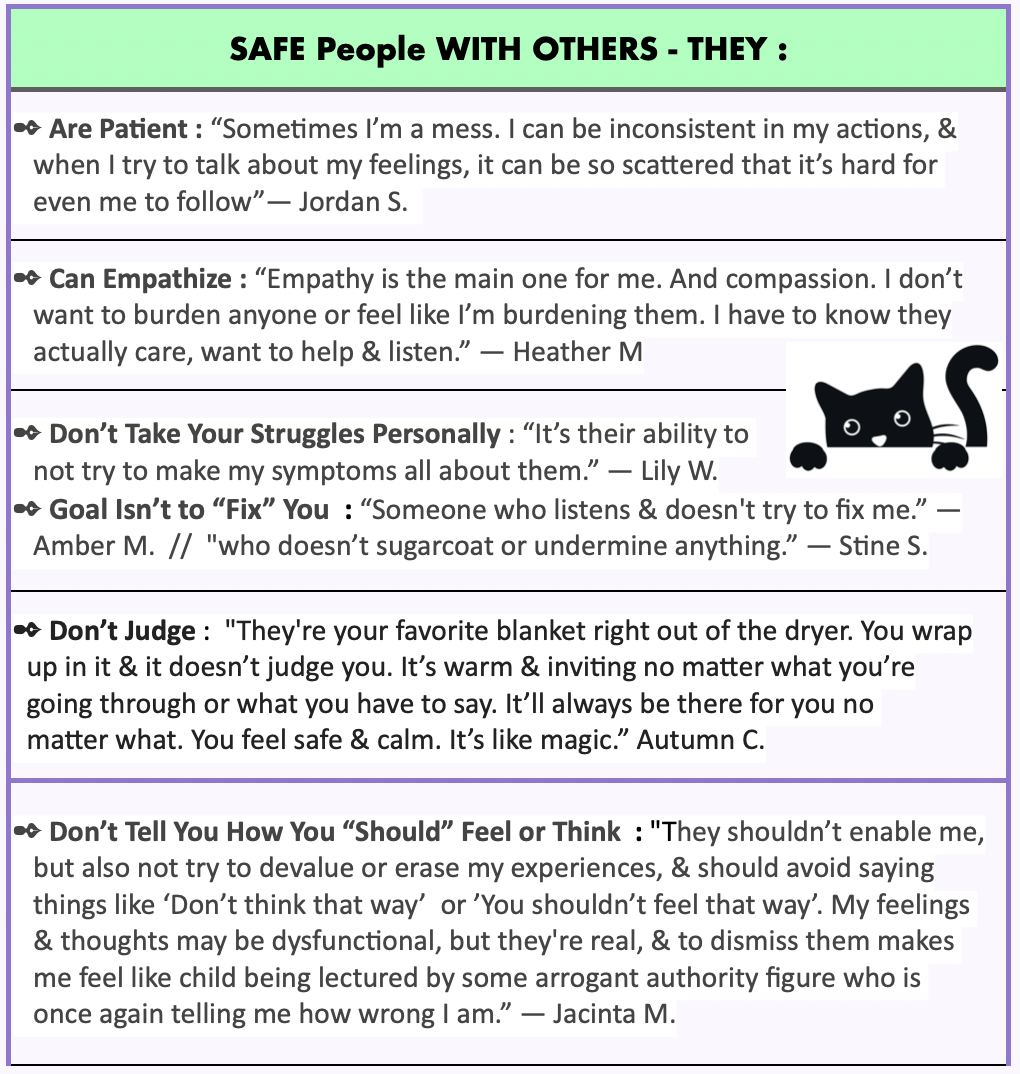
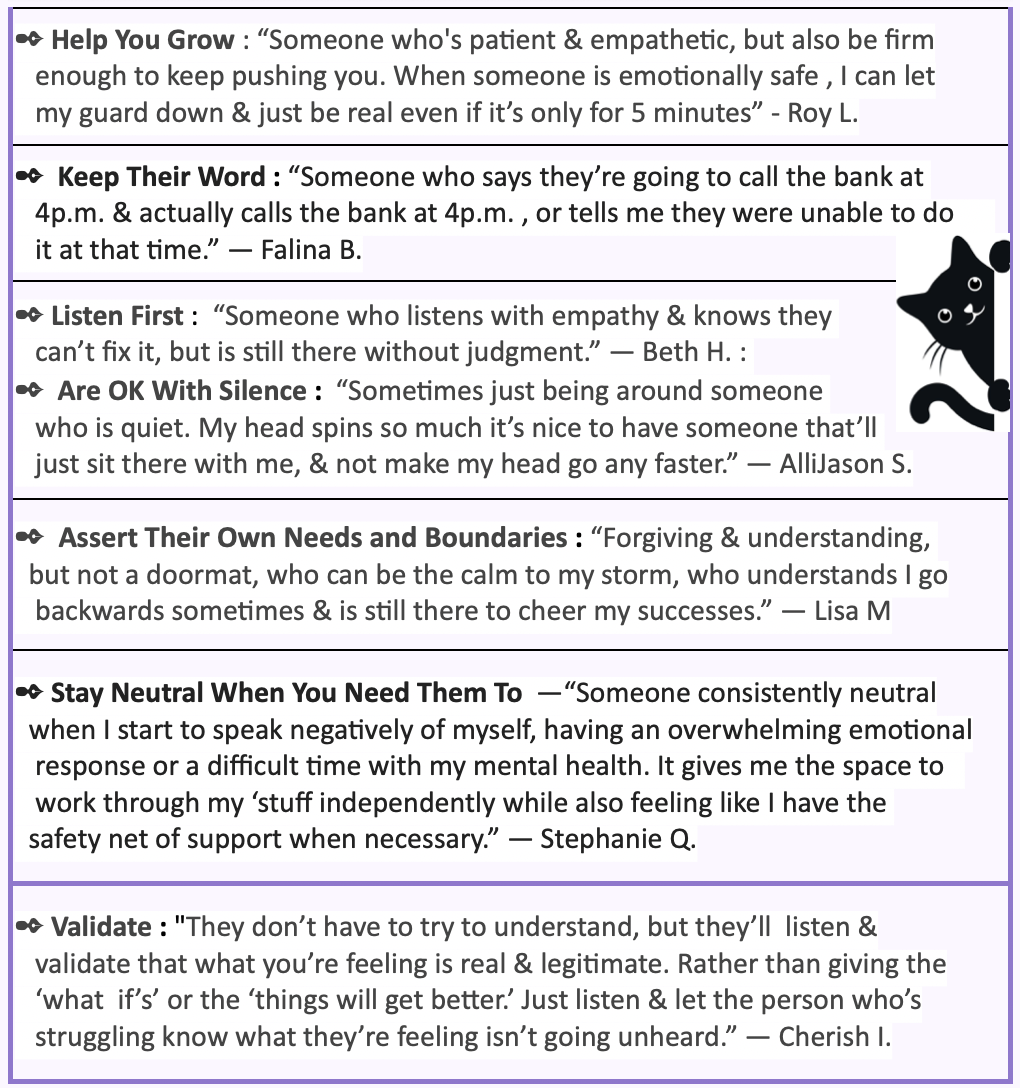
⬇️ These quotes come from “TheMIGHTY” community

«
NEXT : Deferent TYPES of Safety

ADULTING – What does it entail? (#5)

PREVIOUS : ADULTING  (#4)

SITEs :
✅  “Adulting: LIFE SKILLS ”

✅ “Things I wish I knew….

“Adulting Expectations vs. REALITY”


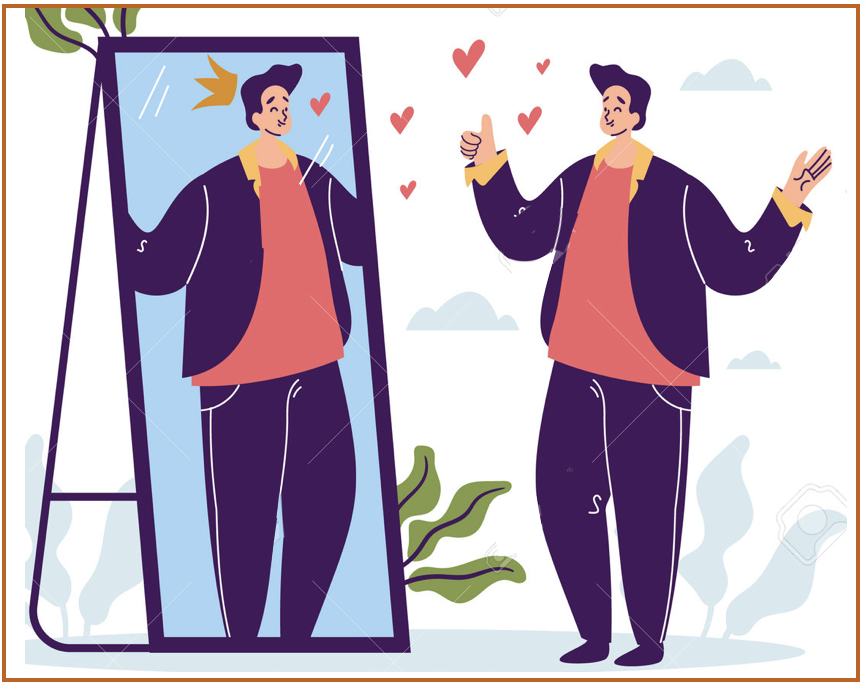
❣️ CORE mirroring :  Validation & affirmation is how parents teach their children what are appropriate responses & what aren’t.  Validation is more than a basic human need. It’s a fundamental prerequisite to being able to feel confident in yourself, provided by experience & familiarity.

Validation from parents & other safe adults :
— alleviates anxiety
— tells us when we’re on the right track
— gives us the self-motivation to complete new or hard tasks with less dread, and
— builds support, so eventually we can more easily handle life’s responsibilities & daily details.
That way we’ll be free to spend our energy elsewhere, either learning more adulting things or doing fun grown-up things.  (More….)

HELP the Inner Child GROW UP
❤️‍🩹
Acknowledge Your Inner Child: Recognize that early Self part exists & needs positive attention
🍃 Connect with Others: Build supportive relationships that encourage your emotional growth
🍃 Cultivate Creativity: Engage in artistic activities to express your natural talents & emotions
🍃 Engage in Play: Find ways to have fun, doing things you love & help to relax you
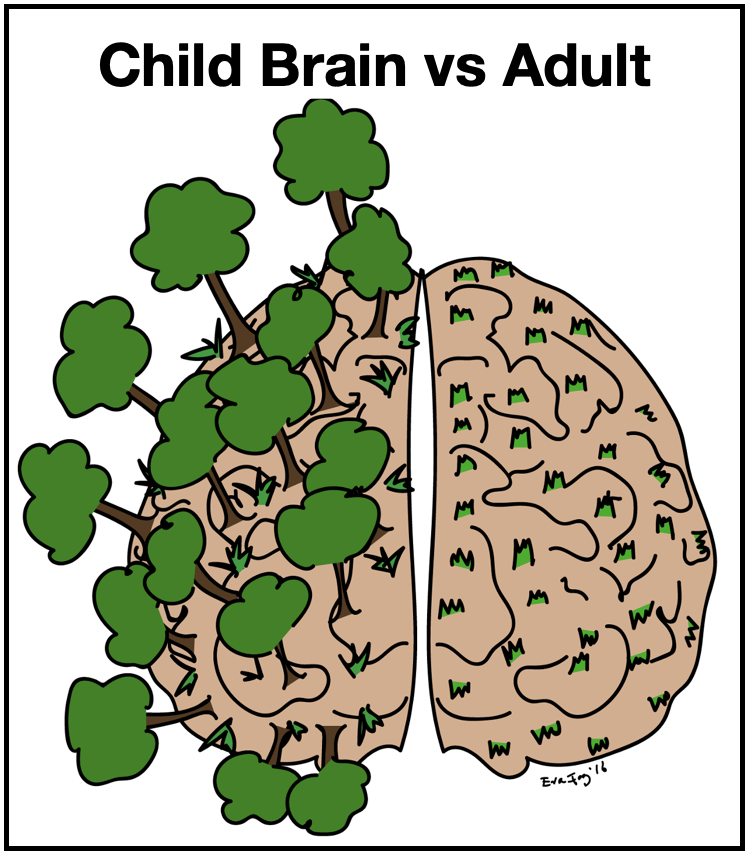
🍃 Nurture Yourself: Prioritize self-care that make you feel safe, loved & valued  (“Kids Are NOT Just Mini-Adults (Brain Development” )

🍃 Practice Self-Compassion: Treat yourself with kindness & understanding, always – but especially in hard times
🍃 Reflect on old Experiences: Journal, share & sit with childhood painful & positive (enjoyable) memories, to understand your inner child’s personality & needs
🍃 Set Boundaries: Protect your emotional space by developing healthy boundaries with the Introject, the WIC, & other people
🍃 Seek Recovery: For persons growth, use therapy, ACA & Al-anon meeting, daily reading…. to heal old wounds and develop a loving Inner Parent.

ADULTS ….
1. Active versus Passive
…. are proactive & self-assertive, rather than passive & dependent. They don’t feel victimized by life, complain or dump their problems on others.  Instead, they face challenges directly, finding solutions rather than always depending on others for direction. They ask for help for what they actually need, such as healing trauma, “how to” do things they don’t know yet ……

2.  Equality in Relationships
….. want equality in relationships. They relate to mates as independent individuals, with lots of give-&-take together their needs met.
They’ve developed a capacity for both giving & accepting love, without turning their partner into a parent figure to feel secure (which comes from an imagined connection or fantasy bond) .

3.  Formulate & Implement Goals
….. identify their life’s priorities by developing goals & taking appropriate actions to achieve them. For the most part their actions fit their words.
In contrast, people living in child mode often overreact emotionally to events that are not actually important in the overall scheme of their life — while at the same time rarely handle events that are important or crucial to their well-being.

4. Non-defensiveness and Openness
…. want to develop an accurate self-concept –  aware of both positive & negative parts of their personalities – without self-judgement, & to form a realistic view of themself in relation to others. Pursuing self-knowledge helps to become aware of unconscious motivations, open to gently looking at that pat of their mental life, working to integrate it as much as realistically possible.

 Emotionally mature adults do not have defensive or angry reactions to getting unflattering feedback, & don’t automatically disagree with “negative” comments.  Instead, they’re open to exploring new ideas, & welcome constructive suggestions – if they agree, which expands their self-awareness.

5. Personal Power
….. take responsibility for their destiny by being in charge as much as realistically possible, having power (choices) over their conscious responses. NO ONE always has control over thoughts & feelings that come up automatically in everyday life.  But adults work at changing behaviors or attitudes they don’t like about themself.

6.  Rationality
….. have a strong sense of identity, so they live with integrity, according to their own principles & values.
They’re are not afraid to feel their emotions, but when actions are needed, they make rational decisions based on self-interest & moral concerns. As Murray Bowen observed, Adults “are able to distinguish between the feeling process & the intellectual process… and [have] the ability to choose their actions guided either by feelings or by thoughts.”

NEXT :

ADULTING – What does it entail? (#4)

PREVIOIUS : ADULTING , #3

SITE : “20 Harsh Truths About Life After College


HARSH TRUTHS about Adulting
✅ You’re not invincible
Guys – you may have great memories of skateboarding & kickboxing, & revel in showing off the scars you collected along the way. But the older you get, the less your body will be able to bounce back from the idiotic exuberances of youth. You’re going to have to pick your battles. Just because you might want to jump from the roof of the house to the garage doesn’t mean you should.

✅ You’re responsible for yourself
A shocking reality that many people need to face  is that all the little things you took for granted as a kid require actual effort on your part. When a light bulb burns out, there won’t magically be a new one waiting in a kitchen drawer. You actually have to go out & buy them (or order online). The same applies for food, medicine, and soap.

✅ Your metabolism is slower
Besides not being able to heal quickly, your body will become less efficient at turning food into energy, & will store more as fat. Just because you got through high school & college living on McDonald’s value menu doesn’t mean you still can. Cook some healthy meals. Run regularly. Your body will thank you.

✅ You will have less free time
One of the great injustices of the world is that as teenagers we had limitless time for imagining epic adventures, but no money to fund them. As adults, we may have the money to do what we want – but no time. “Seize the day” whenever you can & don’t be a workaholic. Life is about relationships & experiences, although the world will try to make you forget that.

✅ You will lose touch with people
You may have posed with your college roommates in front of someone’s Macbook & tag it with “BFF”, but that does not mean you’ll actually be friends forever. You will lose touch with many of the people you expected to be around forever. Your real best friends will stay & be loyal, but the rest will fade into the background.

✅ Patience is a virtue
We live in a world that breeds short attention spans & severely limits our ability to be patient. But the more you can wait for the good things, the better they’ll feel when they happen. From money to relationships to career goals, rushing to your next ‘great step’ or toward the finish line — is a sure way to miss out on many valuable lessons along the way, & cheapens the things you want to accomplish. Slow down.

✅ You will work for/with people you hate
Another great place to apply the whole ‘patience’ thing is at work. No matter what you do, no matter where you go, people you don’t like will find you. They’ll have a terrible sense of humor or no sense of humor at all. They’ll be spiteful & vindictive….. Do your best not to let them spoil you for the rest of us (who love you).

✅ Your interests will change
You’ll become a person that the high school version of you would have mercilessly made fun of. One of the most subtle & surprising things about growing up is that eventually you’ll find yourself watching a show about people buying a house, & comment with genuine interest on the material the countertops are made of or the level of  its curb appeal. It’s better to just accept this. It’s ok.

✅ Things will get monotonous
Routine is one of the easiest traps to fall into as an adult. Obviously it’s important, even a relief, to know what’s around the next corner, but don’t let your life get too boring. You’ll have to make a conscious effort to find new (interesting and healthy) things to spice up your days. Inertia is a hard thing to overcome, but it’s worth it.

✅ The world won’t slow down for you
Another harsh truth about the world is that it moves quickly. The march of progress demands that we all pull our weight, so if you can’t shake off the bad habits you picked up in school there won’t be anyone to make sure you keep up with the flow.

NEXT : ADULTING, #4

ADULTING – What does it entail? (#3)

PREVIOUS : ADULTING #2

SITE:  “How Do You Develop Whole Object Relations as an Adult?”


SIGNS that You’re ‘Getting it Together’ (finally growing up)
🔅 You actually put effort into your appearance in the am, at least most days. Messy hair, chin stubble & yoga pants will only take you so far in this world. While your closet may not be like a high profile fashionista or in GQ magazine, you can still pull outfits together that make you look & feel good.

🔅 You’ve started taking care of your body
You finally get what people were trying to tell you all those years growing up : You will not always be able to eat what you want without gaining weight or staying fit. Physical appearance aside, you’re starting to take your health seriously .  You may not enjoy everything it entails, but you accept it – eventually seeing & feeling the benefits

🔅 Don’t worry anymore about over-drafting your checking
While you may not be living a luxurious lifestyle, or aren’t as comfortable as you’d wish, you’ve got enough to make rent every month & also have a social life. You’ve finally gotten smart about budgeting & spending, even of that means having someone help you figure it out

🔅 Don’t suffer from FOMO. (fear of missing out =  anxiety that an exciting or interesting event may currently be happening elsewhere, without you)
You still enjoy joining the gang once in  a while, but regularly hanging out at the bar until 3am has gotten boring & not good for you the next day.  So you’re not weighed down with anxiety & despair when you decide to opt out more often.

🔅 Can answer – “So, what do you like to do for fun?”
It’s okay that you still hate being asked, because it sounds like you’re being treated as a kid. But since you’re able to fill your free time with enjoyable activities of your own choice , you can actually give an acceptable & mature answer.
And it’s okay if you throw in an occasional exaggerations (you ‘like working out’, when you really just go to yoga twice a month….). Whether this Q comes at you from potential employers or distant relatives, you are (are becoming) a well-rounded, grounded person who definitely does not spend all your spare time on social media & Netflix binges (wink).

🔅 Don’t constantly dump negativity & emotional baggage on anyone who will listen
The older you get, the more you accept that everyone has something to worry about – student loans, a mediocre job, an unstable relationship….
Every day there are lots of stressors (family, jobs, friends, finances & impending life-crises to deal with). The healthiest people know how to keep complaints to a minimum, face their issues, get the right kind of support & find more productive ways to spend their time & energy

🔅 Don’t get upset if someone doesn’t like you
You’re finally realizing when someone doesn’t deserve your time or are taking advantage of you. You have a good group of friends who know you, so no longer need to any spent time with superficial or judgmental people. There aren’t that many ‘good ones’ out there – so acknowledging anyone who doesn’t like or appreciate you just makes the weeding-out process easier!

🔅 Don’t chase anyone for attention
You’ve come to realize that anyone who needs to be pushed to make time for you – because they actually want to – isn’t worth your time.

🔅 You have (at least) some accomplishments you’re proud of
Your life has meaning, you’re proud of your actions, & are not ashamed to talk about who you are. You’ve acknowledged your skills & strengths, & found a way to use them, making definite strides toward goals. You may still have a ways to go toward your dream job, but with clear plans & perseverance, you’re moving forward.

🔅 You realize some things are out of your control, & it’s ok
You’re making peace with the fact that, as much as you’d wish, life is going to throw you situations you don’t know how to handle. You’ll still make mistakes or fail sometimes, but then pick yourself up & get back on track. (resilience)
Being open to useful changes encourages progress. But while it’s important to follow our dreams so our life is fulfilling, it’s also important get thru the ‘downs’.  Adults aren’t easily discouraged!

NEXT : ADULTING, #5

ADULTING – What does it entail? (#2)
PREVIOUS : ADULTING, #1

SITEs : “
How to Be Grown Up”   (detailed info)
People share what makes them feel like a proper adult


GENERAL CHARACTERISTICS of ADULTS

🔸 Legal Age: typically defined as someone who has reached the age of majority, which varies by country (16, 18 , 21)

🔸 Emotional Maturity: should have emotional stability, with the ability to handle stress & relationships maturely

🔸 Independence: generally expected to be self-sufficient & capable of making their own decisions

🔸 Responsibility: involves taking responsibility for one’s actions & their consequences

🔸 Health Management: responsible for their own health and well-being, including making informed medical decisions

🔸 Financial Management: often expected to manage their finances, including budgeting & paying bills

🔸 Career Development: usually involved in their careers, pursuing professional growth & contributing to society

🔸 Civic Duties: have the right & responsibility to participate in civic duties, such as voting & community engagement

🔸 Personal Relationships: tend to be in more complex personal relationships, including romantic partnerships & parenting.

🔸 Lifelong Learning: Being an adult often involves a commitment to continuous personal & professional development.

EXAMPLES
🔹 Rationality
 Adults experience their emotions, but when it comes to their actions, they make rational decisions on the basis of moral concerns and self-interest. Murray Bowen observed :  “adults are able to distinguish between the feeling process & the intellectual process … with the ability to choose between having their functioning guided by feelings (emotions) or by thoughts.” They have a strong sense of identity,  & strive to live with integrity, according to their own principles & values.

🔹 Formulate & Implement Goals
 Adults develop goals & take the appropriate actions to achieve them,  establishing their priorities. In contrast, people living in a child’s frame of reference often overreact emotionally to minor events that are insignificant in the overall scheme of life (making mountains out of molehills) Voice Therapy, while not dealing with events that are important or crucial to their well-being. Because adults tend to pursue their goals & priorities consistently & realistically, their actions are more likely to correspond to their words. (“I do what I say”)

🔹 Equality in Relationships
 Adults want equality in their relationships, whereas those who operate from a child’s perspective often assume the role of either the parent or the child in relation to their loved ones. Instead, people whose actions mainly come from the adult mode —> relate to each other as independent entities, with enough reciprocity to get theirs legitimate human & personality needs met.  They’ve developed the capacity to both give & accept love, so don’t try to turn their partner into a parent figure for emotional safety & financial security (by holding on to an imagined connection or fantasy bond).

🔹 Active versus Passive
 Adults are proactive & self-assertive, rather than passive & dependent. They don’t feel victimized by life, & don’t complain or dump their problems on others. Instead, they face challenges directly & work out solutions rather than waiting on others for direction. They ask for the right kind of help for what they actually need, such as for important life-tasks they lack expertise in, as well as in relation to unresolved emotional needs from the past.

🔹 Non-defensive and Open
Emotionally mature people do not have defensive or angry reactions to unflattering feedback, or not automatically disagreeing with negative comments. They’re able to stand up for themself when being misunderstood or accused wrongly. They’re also they’re open to exploring new ideas & accept constructive suggestions, which helps to expand their self-knowledge & self-awareness.

SHORT FORM “Rules” for ADULTS
✐ Find your true purpose
✐ Follow your core values & don’t worry about what others think
✐ Approach the world with confidence and purpose
✐ Take responsibility for your actions

☆ Make a five-year plan for your life
☆ Take control of your finances
☆ Find a mentor to act as a role model
☆ Seek positive feedback so you can improve

☆ Keep your mind sharp by learning new skills
☆ Keep your living area clean and tidy
☆ Maintain good personal hygiene
☆ Clothes – Invest in a more mature, classic style

☆ Show empathy to others
☆ Treat others with politeness and respect
☆Volunteer in your community.

 NEXT : ADULTING –  #3

ADULTING – What does it entail? (#1)

PREVIOUS : Spiritually-based Depression HEALNG (#2)

SITE : “Why Is Adulting So Freaking Hard These Days?

POSTs  :  Adult EGO STATES 


IMP
:
These next posts are meant to identify & define the healthiest forms of being a mature adult, not just physical – but in PMES ways.
Adulting means that the WIC (wounded Inner child) is NOT in charge but rather your UNIT is, as well as the Healthy Inner Child part of you – ie. the whole True Self.

We can OWN how much of these characteristics we already practice in our daily life,  and the rest we can work toward – depending on which ones suit us the best. Remember ODAT, even OMAT when under stress. (More….)

Scientists say that we’re not adults until we hit our thirties, but even then we have to leave room for individual differences.
What do they mean when someone talks about “being an adult”?
Basically 2 opposite approaches – responsible & irresponsible adulthood – either :   a) setting aside “childish” ways, or
b) rebelling against the lack of freedom in childhood

A types believe that being an adult means eating healthfully, being financially responsible, dressing to meet the expectations of others, flossing regularly, servicing their vehicle regularly…..

B types have determined that adulthood means : you can eat candy for breakfast, drink too much, fail to keep careful track of finances, stay up late, play hours of video games all day, skip dental cleanings for 3 years, order the steak instead of the salad ….

NOTE: This does NOT mean that these people are irresponsible to the point of lawlessness, although some are. It just means their careless or self-harming actions are not the “best” long-term choices.

All children feel deeply, but usually can’t act or protest externally in their own defense.
When unhealed people experience the world in “child mode”, they continue to feel powerless & at the mercy of others, as well as overwhelmed by their own emotional reactions. In the inner world of the adult-child, they feel helpless & totally dependent, the victim of negative circumstances – supposedly – beyond their control.

The major deterrent to living as an adult comes from the fear of “growing up” – of breaking imagined connections with parents, being alone, standing out as an individual, having a strong point of view, recognizing one’s value, & confronting the inevitability of death – the ultimate separation from Self.  Many people have a strong desire to hold on to fantasy bonds or unrealistic connections to family & others who are symbolic substitutes – anyone who seems to offer safety. But this comes at a great cost to their personal growth. To live like a child in an adult world is a defense against death anxiety.

REVIEW : The reality for many ACoAs is that we didn’t get very good guidance for how to prosper as a physical grownup – missing positive role models to learn from. Before listing the characteristics of Adulthood, let’s look at some ways childhood trauma impacts adulthood :

🕴🏻 Avoidance : Tend to avoid situations or people that trigger unhealed memories of trauma
🕴🏻Denial : Suppressed or “white washed” painful childhood events
🕴🏻Dysfunctional Relationship : Patterns of unhealthy connections, including fear of intimacy &/or repeating abusive attachments

🕴🏻
Emotional Dysregulation: Rarely able to manage emotions, run by intense anger, sadness, anxiety, hopelessness ….
🕴🏻Low Self-Esteem: Blaming oneself for all their pain& a persistent sense of inadequacy, from childhood abuse & neglect
🕴🏻Mental Health Issues: Increased risk of anxiety, depression, PTSD….
🕴🏻Physical Health Troubles : Higher likelihood of chronic health issues due to stress & unresolved trauma

🕴🏻Reenacting Damage: In adulthood – unconsciously repeating thoughts, actions & choices copied from early experiences
🕴🏻Substance Abuse: Increased risk of using drugs or alcohol as a coping mechanism for emotional pain
🕴🏻Trust Issues: Unable to trust oneself & afraid to trust others, becoming isolated or having strained relationships
🕴🏻Weak Boundaries: Trouble setting & maintaining personal boundaries with Self & in relationships (from Google AI list)
(See Part 5 for Inner Child growth)

NEXT  : Adulting, #2

SPIRITUALLY Based Healing (Part 3b)

PREVIOUS : Spiritually Based Healing (#3a) 


3. HEALING, RECOVERY (cont)
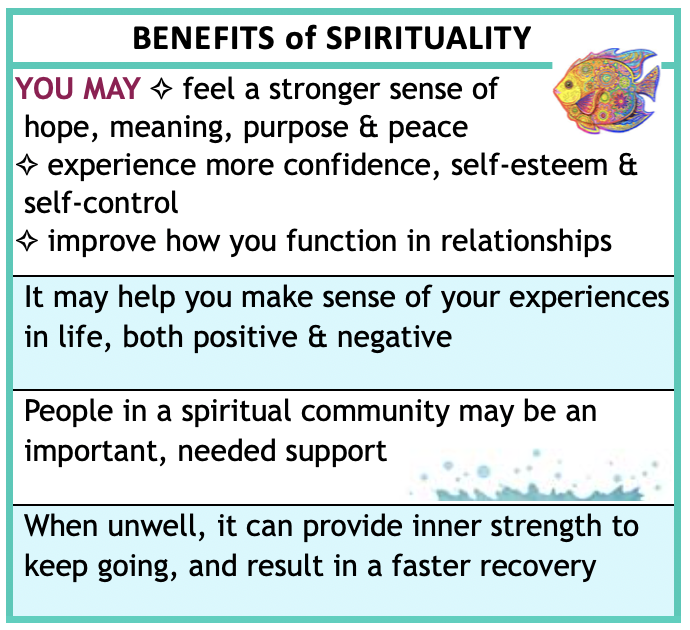
Loma Linda University Health discovered that we can reduce our risk for depression & anxiety through positive religious practice.
The research team found that direct health benefits are living longer, lower blood pressure, & lowering the risk for depression and anxiety.
It’s helpful to know is that there are two different types of “religiosity” – extrinsic and intrinsic. Numerous studies relate each to a variety of fundamental topics such as coping styles, guilt, fear of death, narcissism, many types of religious experiences, cognitive processes, & forms of prejudice.

Intrinsic religiosity focuses on others, rather than on ourself, & is beneficial to our health.  As an end in itself, it was Allport’s view of mature religion, characterized by a lack of prejudiced.

Such practitioners ask : “How can I help someone else have a great day today?” and then take appropriate action where possible.
Also : What benefits can I find in my hard times & crises? What are possible good outcomes? ”

They ask: What support can I seek from God when faced with life’s troubles ?  In very stressful times, when Saul was trying to kill young David, he was comforted by his faith:  “The Lord is a refuge for the oppressed, a stronghold in times of trouble.”’ Ps 9:9
“I waited patiently for the Lord. He turned to me & heard my cry.”  Ps 40:1
 

Extrinsic religiosity is doing religious things because the person thinks they’ll get something out of it. Their ‘beliefs’ are lightly held, or selectively shaped to fit basic human rather than spiritual needs. Such people may pray in order to relieve their own suffering, claiming ‘beliefs’ they use to form or maintain social networks, while barely adhering to the teachings of that religion..
☁︎ Gordon Allport’s studies found that extrinsic religiosity typically correlates with prejudice & dysfunctional psychological constructs (mental ideas such as beauty, love, happiness, justice….)

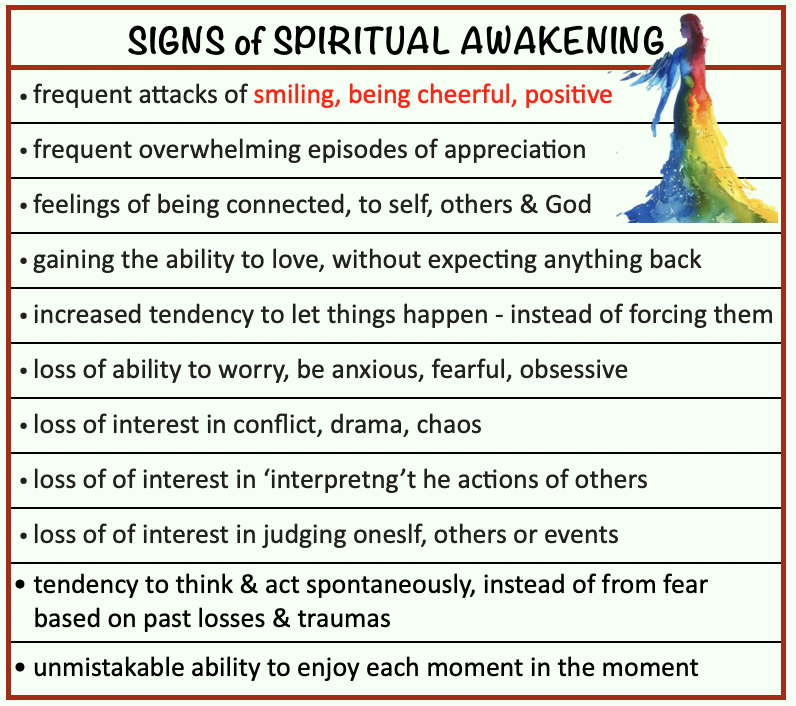
Addressing spiritual depression often requires a holistic approach – combining psychological, emotional, & spiritual support – to find meaning & purpose.  According to a 2018 studyTrusted Source, there are 4 main indicators & strategies for spiritual health that foster a connection with Inner peace & outer joyfulness, countering spiritual depression.

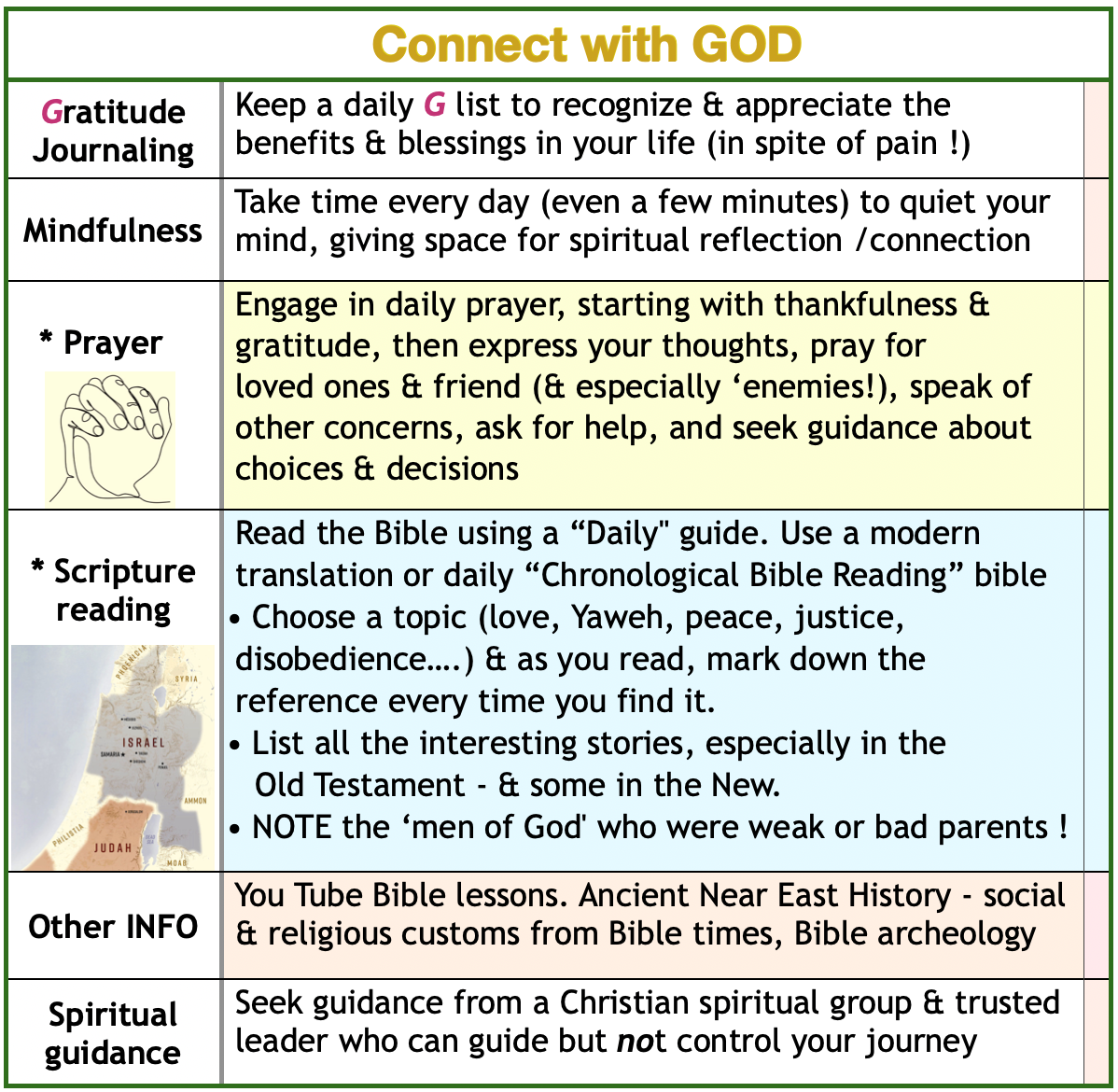
🔗 A connection with God involves: recognizing & loving the divine,  placing trust & hope in God & expressing gratitude for blessings
«

«
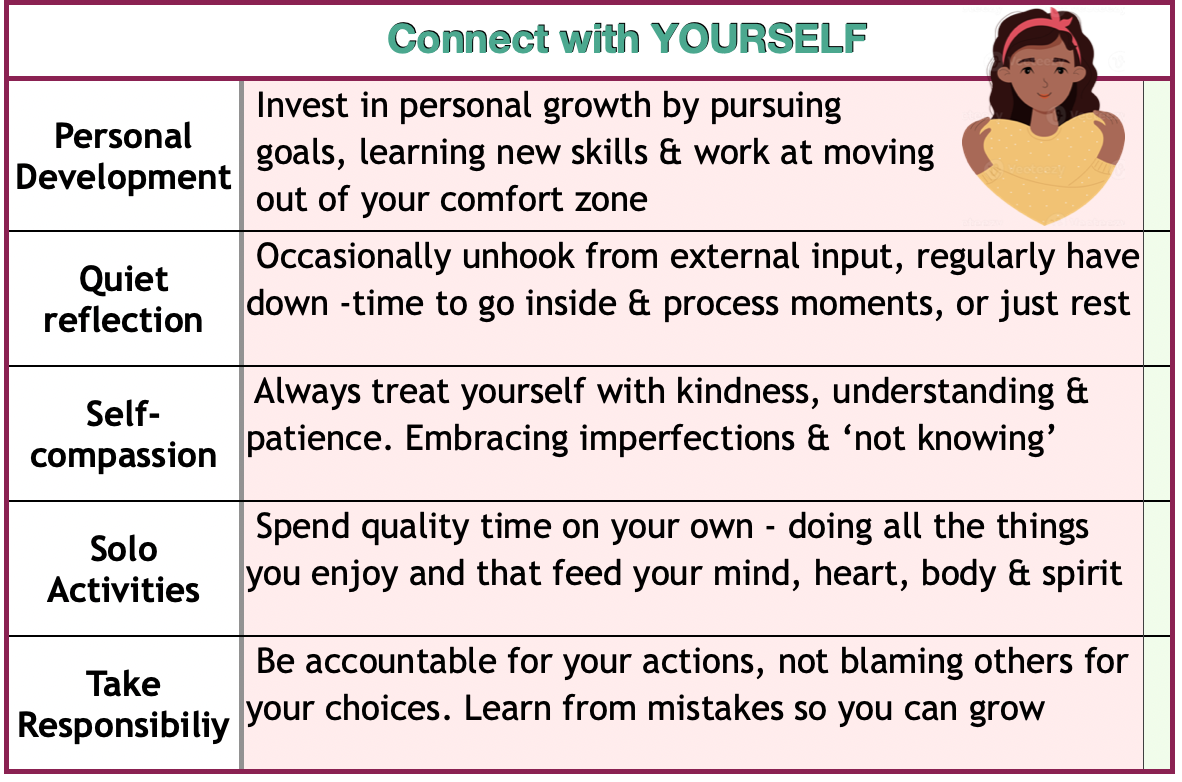
🔗 Fostering a connection with oneself forms the basis for positive traits, such as: self-esteem, a sense of purpose, increased empowerment & hope «

«
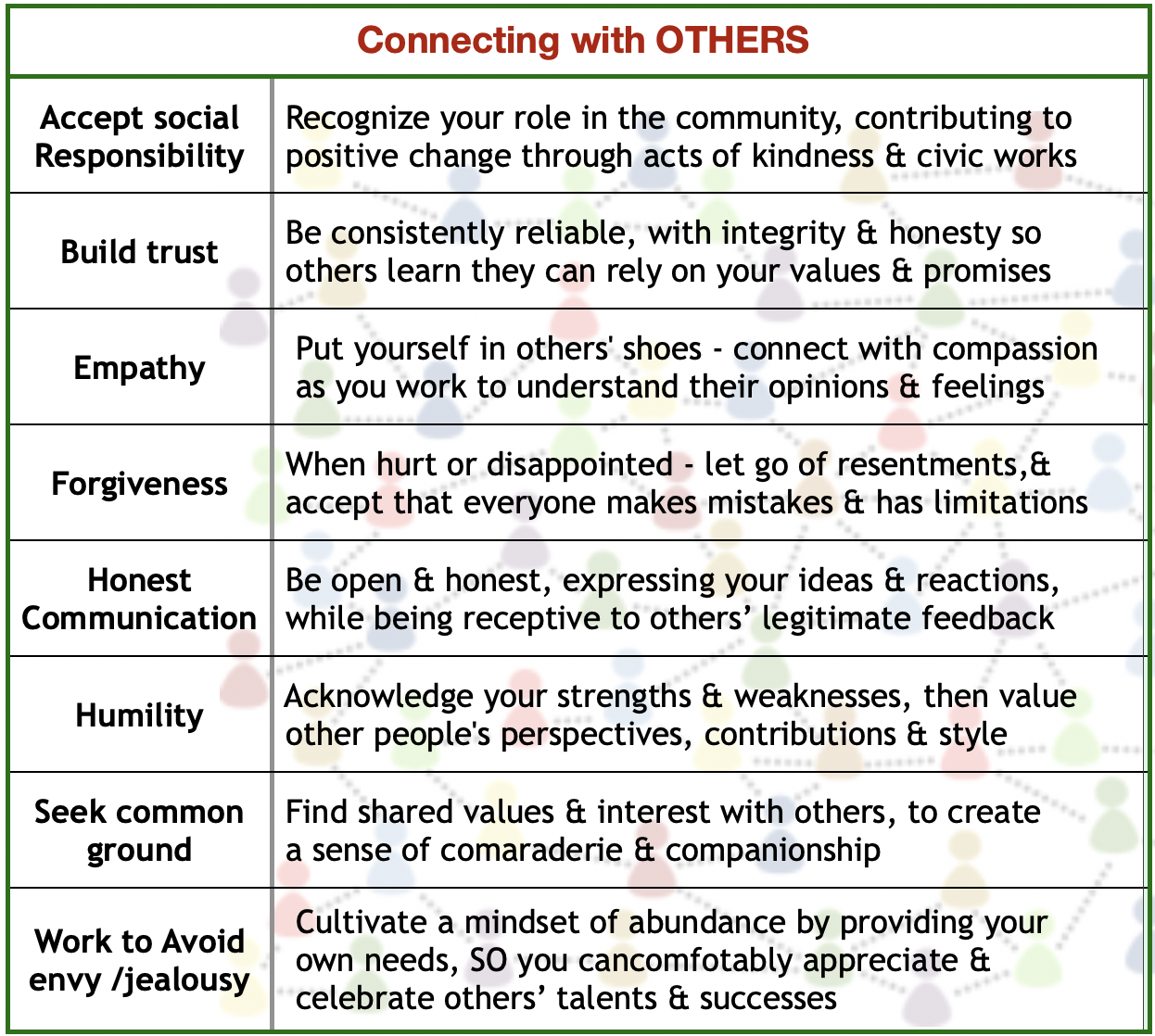
🔗 Connecting with others involves: accepting social responsibility, practicing honesty & compassion, fostering relationships devoid of jealousy, rooted in generosity& humility
«

«
🔗 Spiritual health also includes nurturing an interest in nature, with a respect for the delicate balance of the natural world
«

«
NEXT :  MBTI – 

SPIRITUALLY Based Healing (Part 3a)

PREVOUS : Spiritual Depression (#2)


1. Psychological depression

2. SPIRITUAL depression
3. HEALING, RECOVERY
“The Lord is close to the brokenhearted and saves those who are crushed in spirit.” Psalm 34 :18  

🌅 Spiritual depression seems to happen to those on a path to self-realization, or to those curious about what is truly going on inside. To keep growing, you have to see how you’re holding yourself back. Going  through “a dark night of the soul” provides an opportunity to let go of what is no longer useful – all the ways you protect yourself & resist life.
And when the superfluous is shed, a tremendous peace is uncovered.

Support for spiritual depression can come from many places, including spiritual leaders & mentors, such as pastors or clinical therapists who specialize in spiritual counseling.

It’s important to be open & honest about what you’re feeling, & not focus on what others may think of your faith, your relationship with God, or your feelings toward yourself.

Steps to Survive a Dark Night of the Soul (w/ details)
💓 Let the Old Die – beliefs, conditioning, opinions, attachments, teachers, books, places. When you let go, you discover you were never in control.

💓 Welcome the Darkness – No matter how scary letting go is, at some point you may come to realize that what is falling away is actually no longer needed

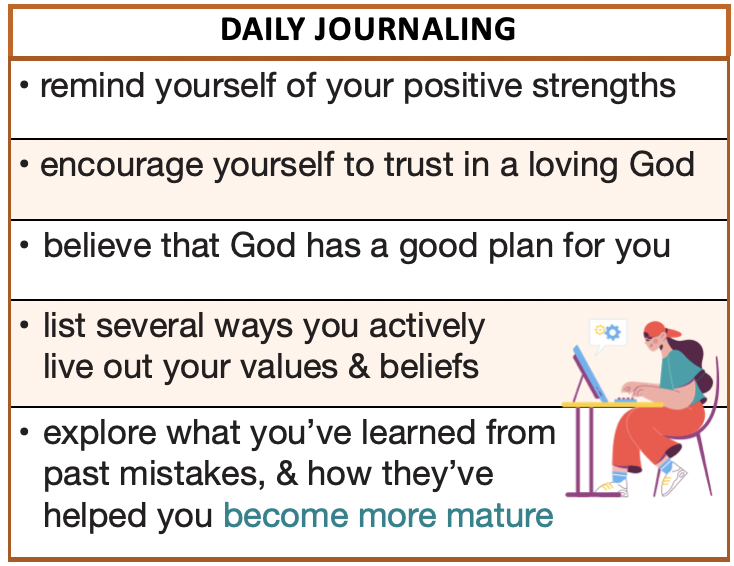
💓 Write Your Thoughts – This allows you to see the mental patterns you’ve been stuck in. It make it clear to identify the main theme of your dark night, to do with money, security, need to be loved…

💓 Notice What Works – Emotions (feelings) are important – actually crucial – & that negative thoughts are a serious distraction. To come out of the darkness & have tremendous breakthroughs, you must go into the hidden painful emotions that have been poisoning your soul

💓 Nourish Your Soul – Relaxation is key. Go easy on yourself during this time. Admit what you most feel like doing – take a walk, learn something new, pick up your hobby?
Don’t judge. Trust your Inner guidance, & stay aware of when you’re distracting too much from feelings.

💓 Marinate in Presence – Stay in the now as much as possible – being acutely aware of what your 5 senses are telling you. This is the pain-body which seems especially activated during a spiritual depression, & will help to keep in touch with feelings.

💓 Move & Breathe – We live in these biological bodies that need to be taken care of. When you feel worse, you move less. And as you move less, you feel worse. Instead – Keep the energy flowing. Exercise & deliberate breathing helps release stuck energy, plus releases feel-good chemicals

💓 Bathe in Nutrition – Do your best to eat healthy foods during this time – it will positively  fuel your body & brain, which helps lift your mood & energy. Add supplements, green tea…

💓 Ask for Help – Look for & use the various types that suits you. Be open to new ways of see your life can help brings in needed energy. It means surrendering the belief that controlling everything will make you happy.

💓  Follow Your Excitement – You may not have the energy to do much, but can still feel drawn to certain things – as if your heart, or Inner GPS, knows what you need. It will made a difference.

💓 One Day at a Time – Be kind to yourself. One day at a time is all we have. And one-moment-at-a-time is how the darkness is survived. You will get through this, even while resisting & avoiding everything, trying to get back to your old life. That life is  on its way out!
««
NEXT : Healing , #3b